Paraguay
Cristian learned from people who built anyway.
He grew up in Paraguay watching his parents build technology companies far from the usual startup map. The lesson that stuck was practical: keep trying, keep adapting, and make the work useful.
The missed interview that became Autograph.
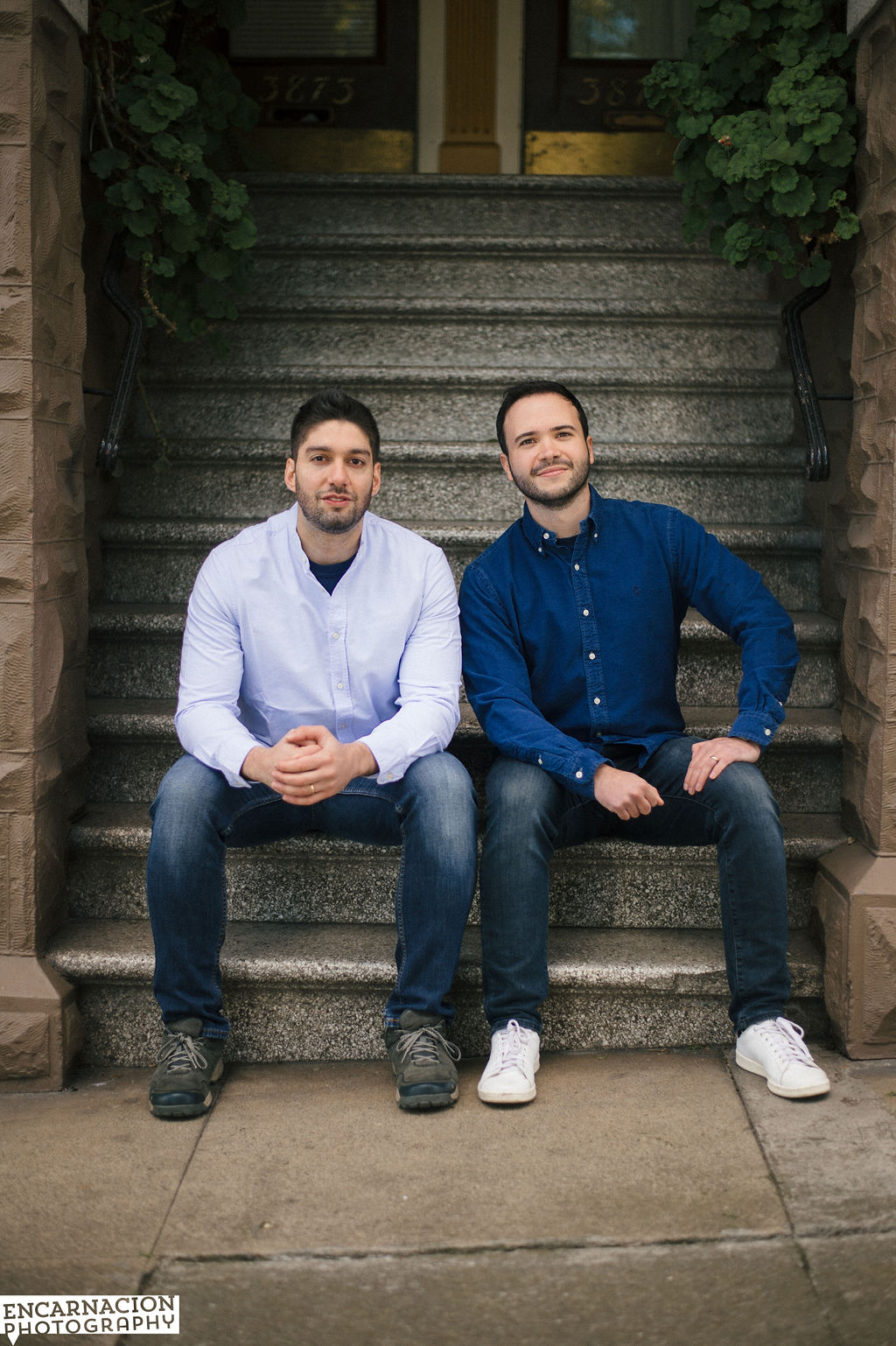
Autograph began with a missed family interview and two best friends asking what it would take for families to preserve the voices, photos, and stories they keep meaning to ask about.
Founding Story
Two best friends started with one missed conversation.
Autograph began as a personal ache, then became a shared promise: make it easier for families to hear one another while there is still time to ask.
Paraguay
He grew up in Paraguay watching his parents build technology companies far from the usual startup map. The lesson that stuck was practical: keep trying, keep adapting, and make the work useful.
Stanford and Google
Symbolic Systems at Stanford tied together computer science, AI, philosophy, psychology, and linguistics. Work at Google across ads and education sharpened the same question: how can technology make people more human, not less?
The missed interview
Cristian had set a time to interview his grandmother about a life that crossed continents: family displacement, a new life in Paraguay, and work as an industrialist, teacher, and author when that was not the expected path. A few days before the interview, she had a stroke. The questions remained; the voice did not.
Santi
Santi joined as the best friend who could turn the wound into a product with judgment, speed, and taste. Autograph became a two-founder company because preserving family history needed more than grief and conviction. It needed someone who could make Walter real. None of this is possible without him.
Autograph
The company took shape around a shared belief: families should not need perfect timing, technical confidence, or a professional interviewer to save the histories they will one day wish they had asked for.
What became Walter
The rule was practical, not poetic: no family should need to become an archivist before preserving someone they love. The product had to make the first conversation easy, then handle the structure quietly afterward.
A family should not need a script, recorder, archive plan, or perfect timing before they begin.
He calls by phone, asks the next question, and keeps the storyteller in the flow of conversation.
Audio, transcript, summaries, people, places, and themes are organized as the story is told.
If the story matters, the process has to be gentle enough for real life. Autograph is designed for families who are busy, far apart, grieving, celebrating, aging, or simply trying not to wait too long.
He asks follow-ups, follows the thread, and lets the storyteller sound like themselves.
No app install, no blank page, no equipment. If someone can answer a call, they can begin.
Each call becomes audio, transcript, summary, and organized pages for people, places, stories, and themes.
Families can add photos, videos, PDFs, letters, and other artifacts so the archive preserves more than the conversation.
Operating Standards
Autograph handles intimate family history, not disposable content. Every release has to protect the voice, preserve context, keep families in control, and make the record usable decades from now.
Families decide who can listen, contribute, share, and export. Private memory should stay under family control.
AI can prompt, organize, and summarize, but the person's words, cadence, and recordings remain the record.
Transcripts, summaries, files, and context should remain understandable outside the moment they were captured.
Relatives can add corrections, photos, documents, and their side of a story without overwriting the original.
Start with one voice, one chapter, or one family member. Walter can help you turn the conversation into something your family can keep.